MedEase
Why Medication Management Needs a Rethink
Medication adherence is a widespread and critical problem. Many patients struggle with forgetfulness, confusion, or incorrect dosages when following treatment plans, especially during high-stress periods such as post-surgery recovery or when managing multiple prescriptions. These challenges can lead to reduced treatment effectiveness, preventable health complications, and unnecessary hospitalizations.
From the outset, our focus was accessibility and cognitive load reduction. We deliberately chose this topic because it reflects a real, everyday problem affecting both elderly users unfamiliar with digital tools and busy adults managing complex routines.
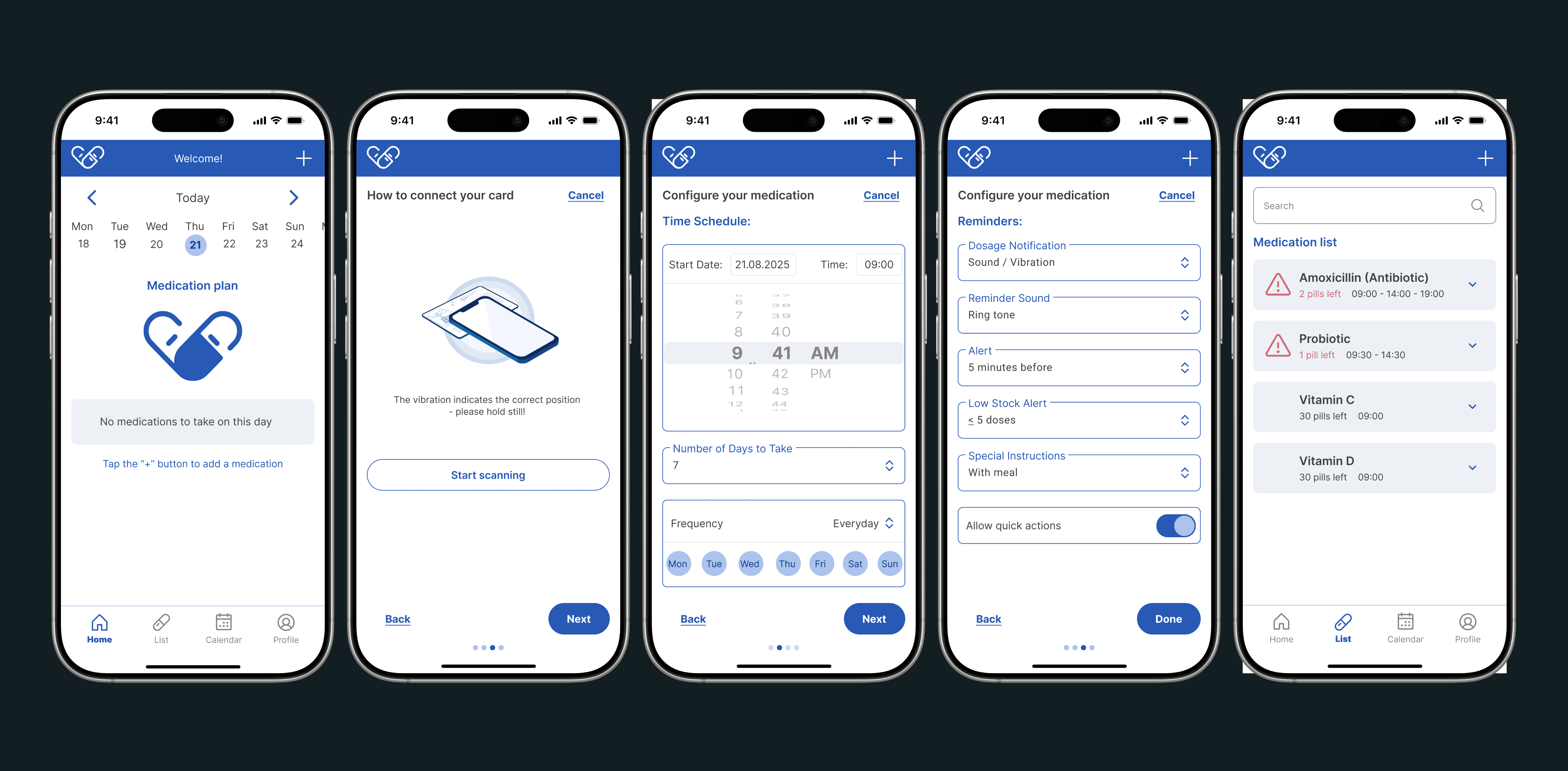
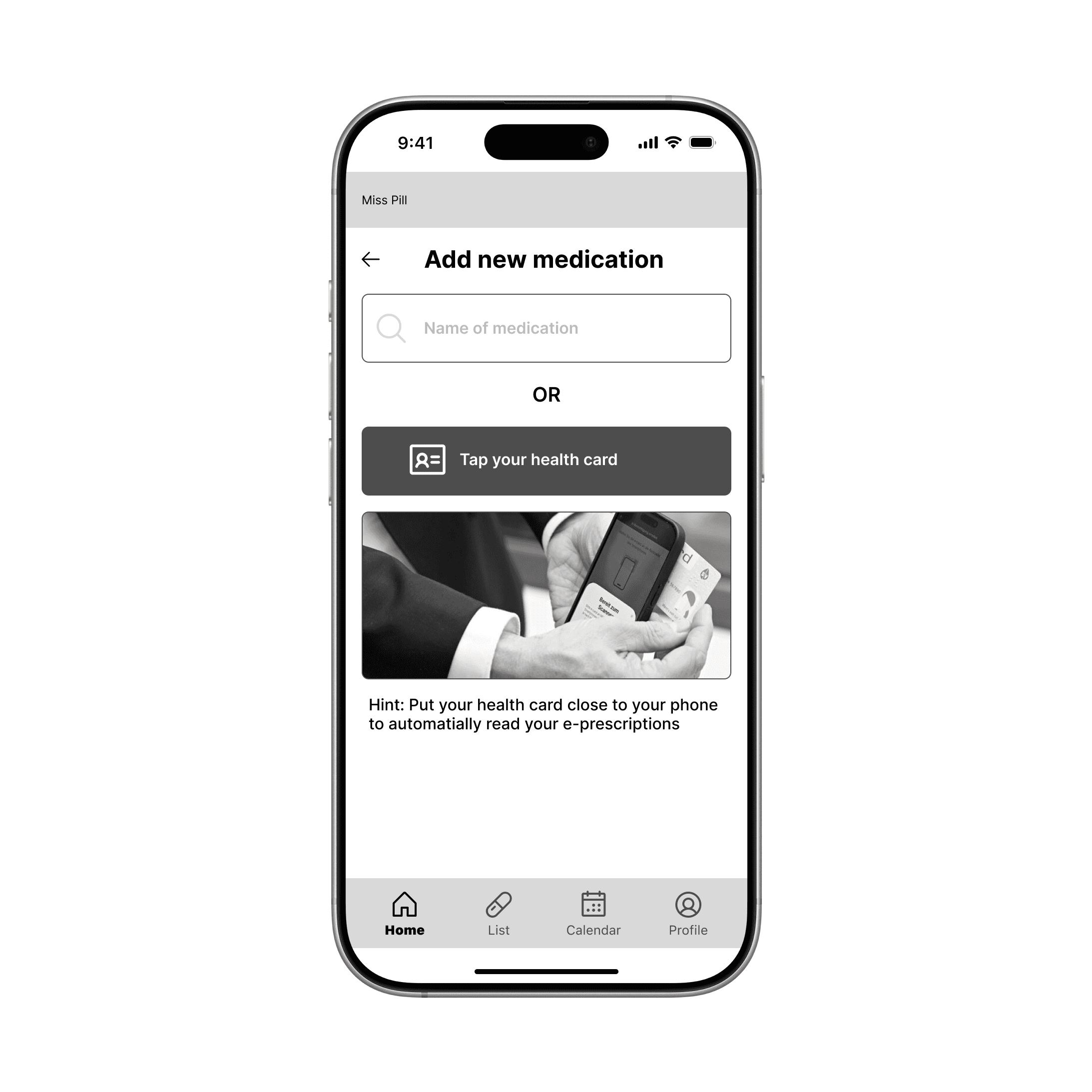
Our goal was to design MedEase, a mobile application that simplifies treatment management through clarity, automation, and trust. By integrating NFC-enabled health insurance cards, MedEase reduces manual setup and captures prescriptions directly from official medical records, removing one of the biggest barriers in existing solutions.

Project
MedEase
Topic
Accessibility Design
Sector
Healthcare
Duration
10 Days
Context
Bootcamp project · Team of 3 .
My Role
UX research, user journey mapping, wireframing, design system & component library, prototyping, stakeholder presentation
Project Snapshot
My Contributions to the MedEase Team
I contributed across research, structure, and system-level design decisions, with a particular focus on scalability and accessibility. My key responsibilities included:
Designing and distributing the user survey and mapping the end-to-end user journey
Collaborating on the UX Canvas, problem framing, and hypothesis definition
Designing wireframe templates with a strong focus on the medication configuration flow
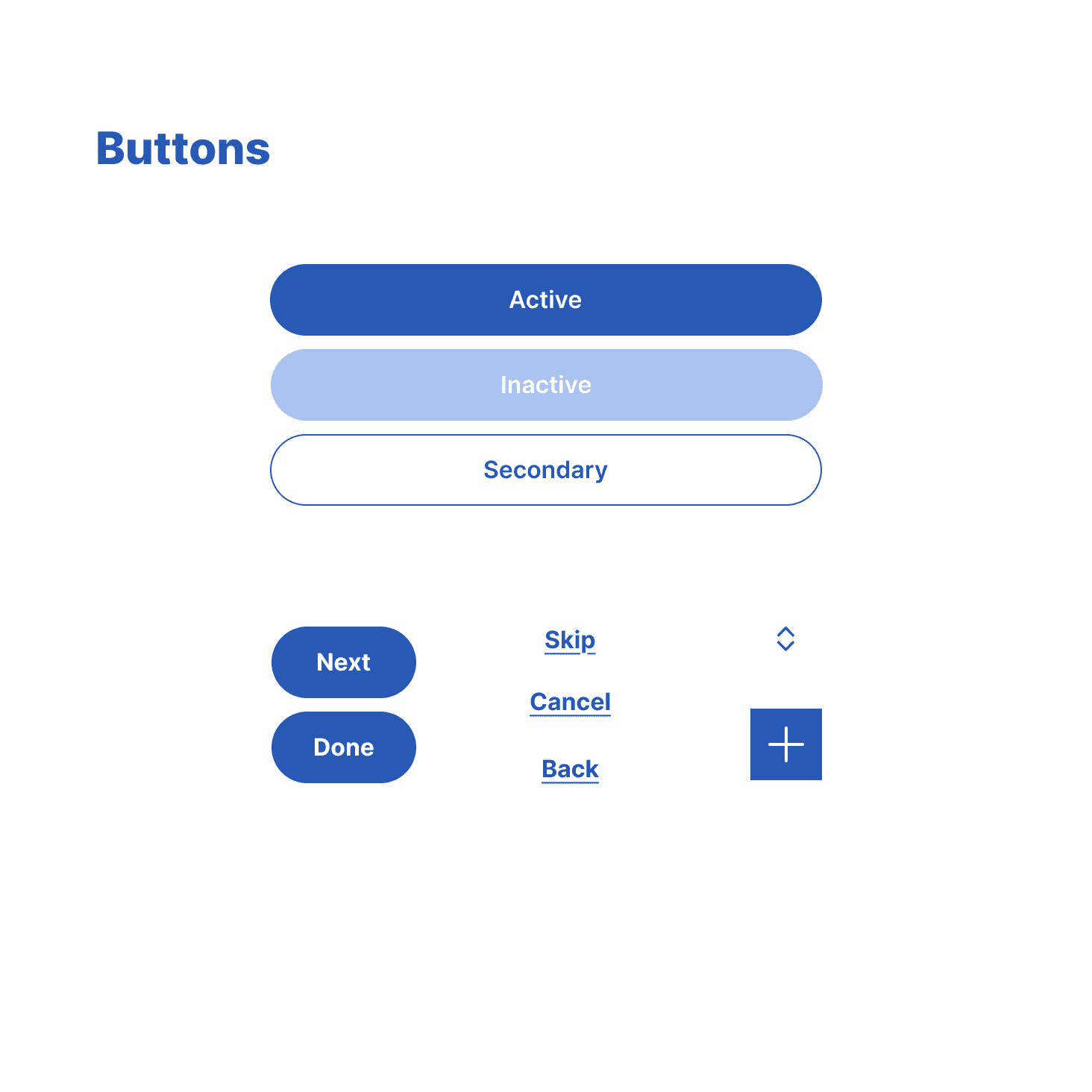
Building the style tile and component library to ensure consistency across screens
Contributing to mid- and high-fidelity prototypes in Figma
Presenting the final solution and design rationale to stakeholders
While ideation, sketching, and early wireframes were collaborative efforts, I was primarily responsible for structuring reusable components, configuration logic, and design consistency, ensuring the product could scale beyond an MVP.
Discovering Patient Needs
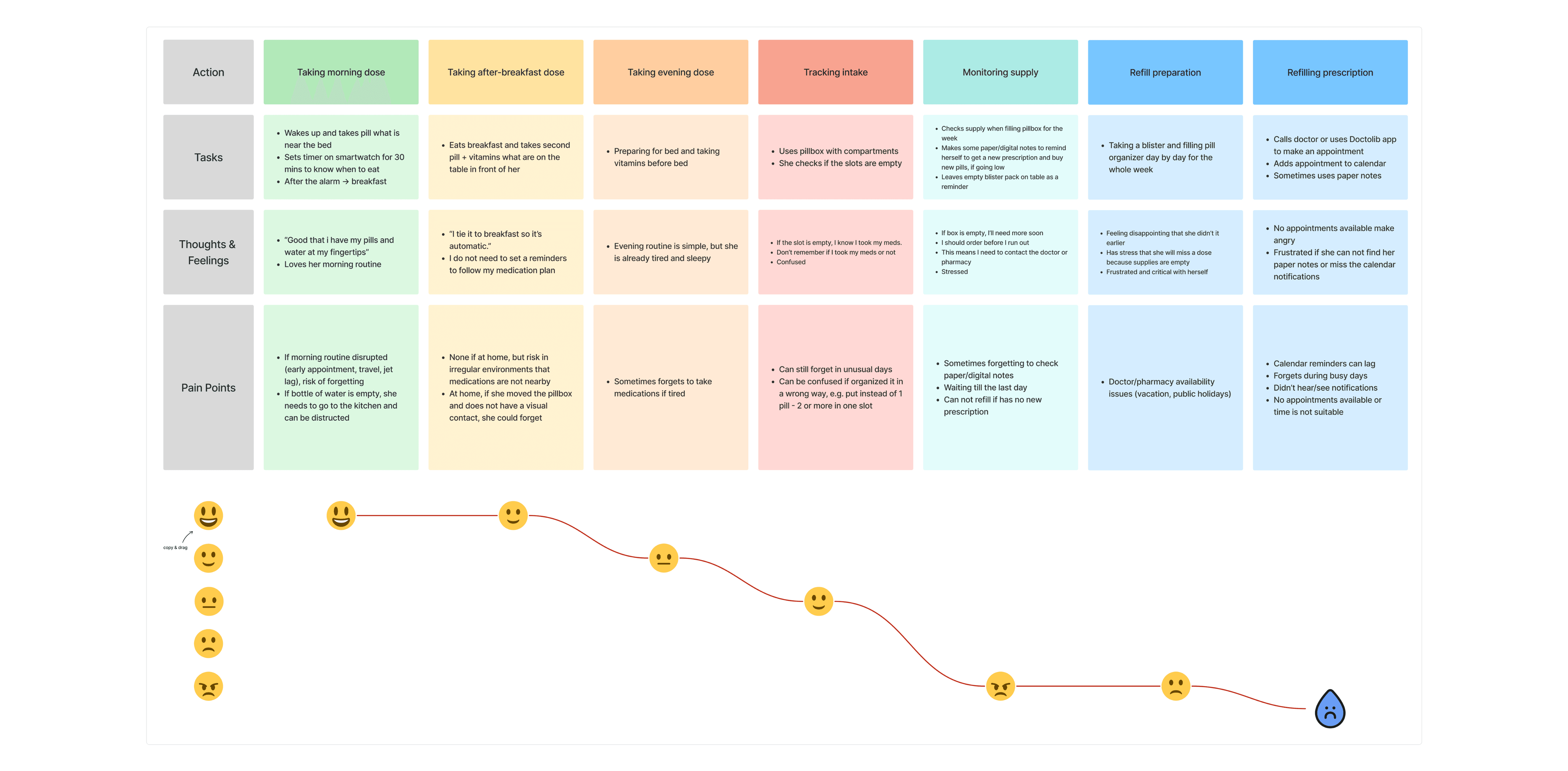
We began by validating assumptions through exploratory research. Although medication reminder apps already exist, our initial hypothesis was that the real problem was not reminders alone, but setup friction and lack of trust in accuracy.
Survey results and desk research revealed several recurring patterns:
Patients frequently forget doses or feel uncertain whether they already took medication
Manual setup in existing apps is perceived as tedious, especially for older users
Post-surgery patients often manage temporary but critical medications under stress
Elderly users take multiple prescriptions daily, increasing cognitive load
Caregivers and family members play a key role but lack visibility and timely alerts
Interestingly, age itself was not the main limitation. Instead, clarity, simplicity, and confidence were the decisive factors. This reinforced our direction to design an interface accessible to seniors while still efficient for busy, tech-savvy users.
Turning Pain Points Into Features
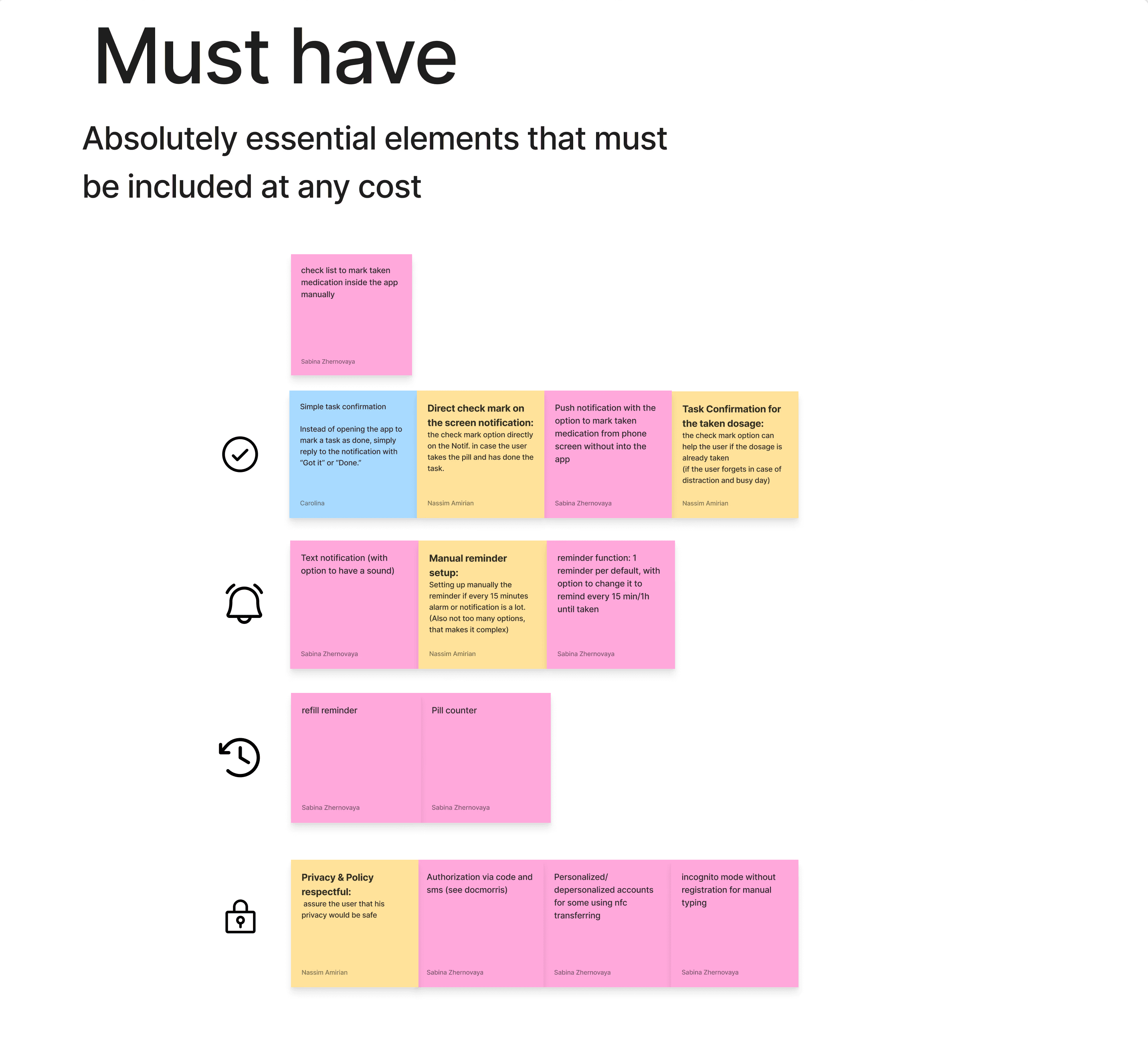
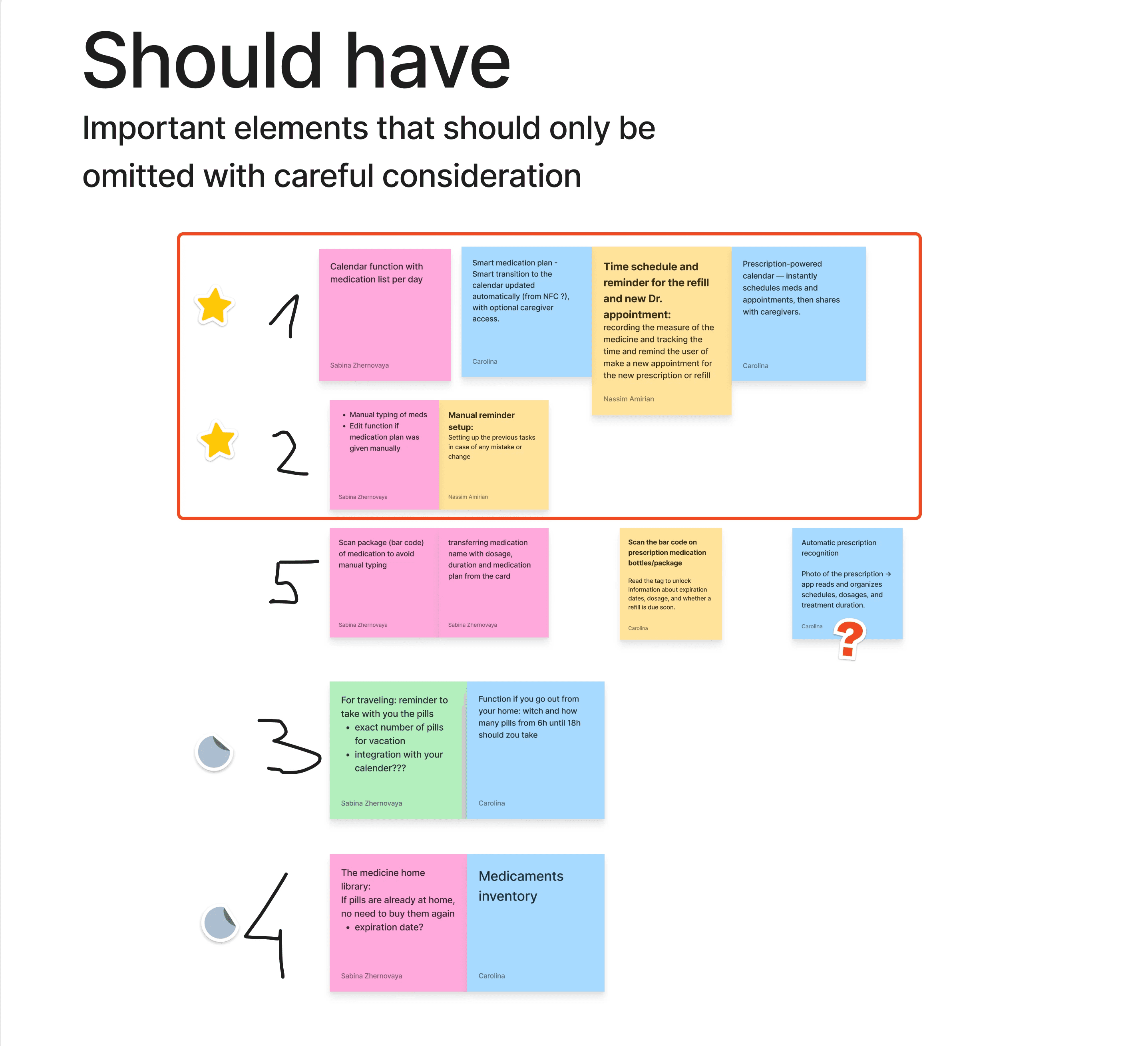
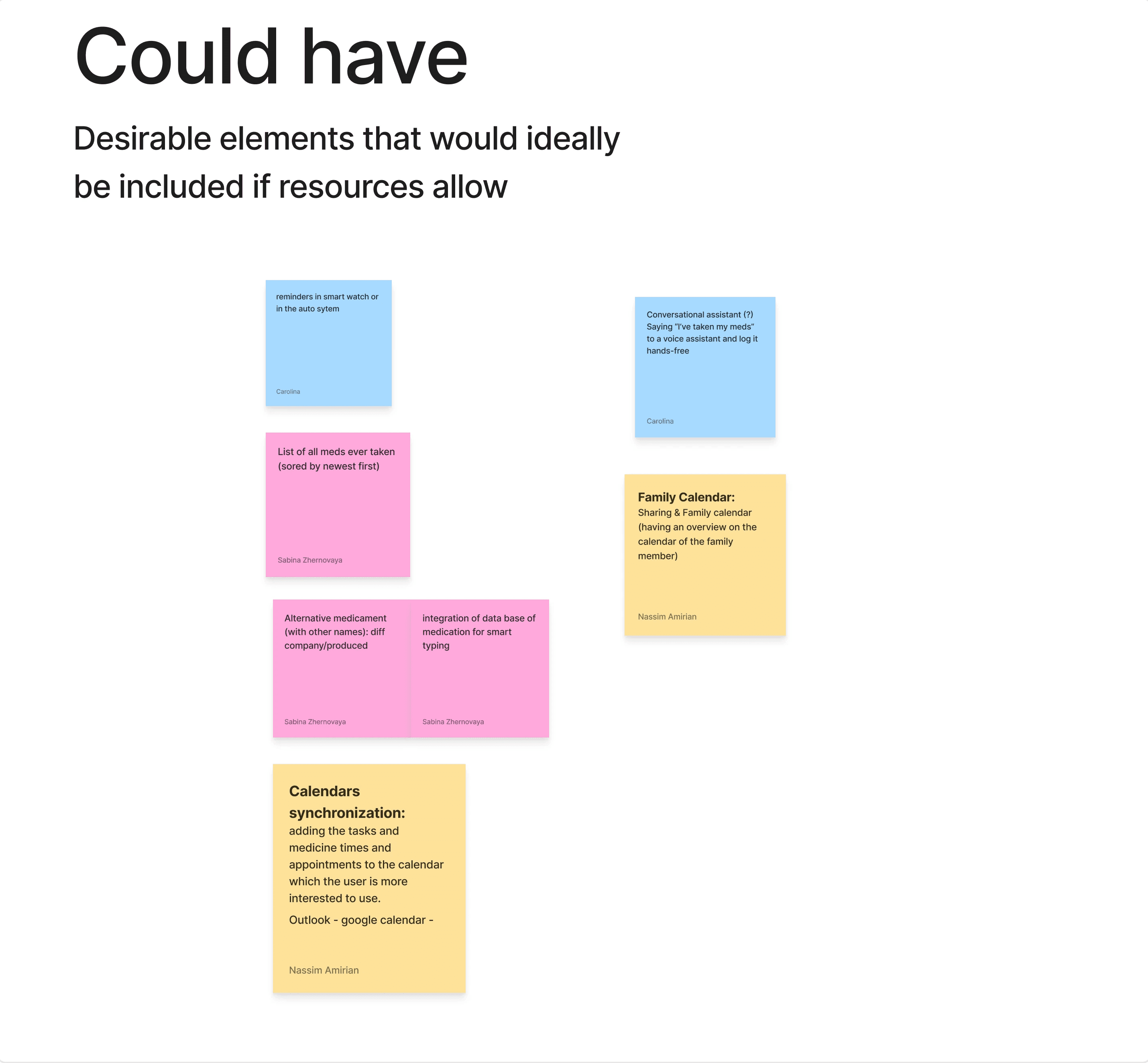
Research insights were translated directly into feature decisions, each tied to a validated user need:
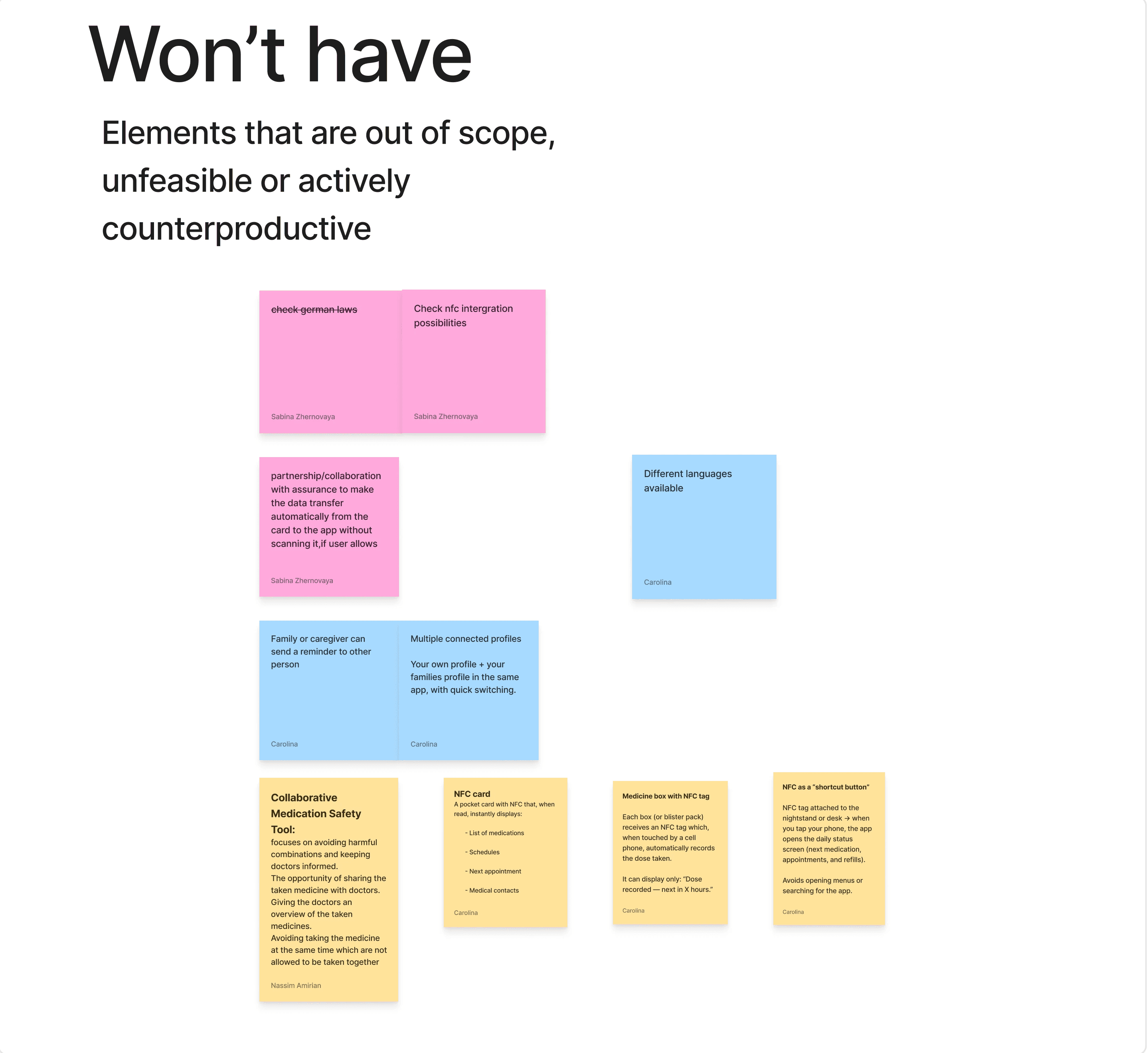
NFC health card integration
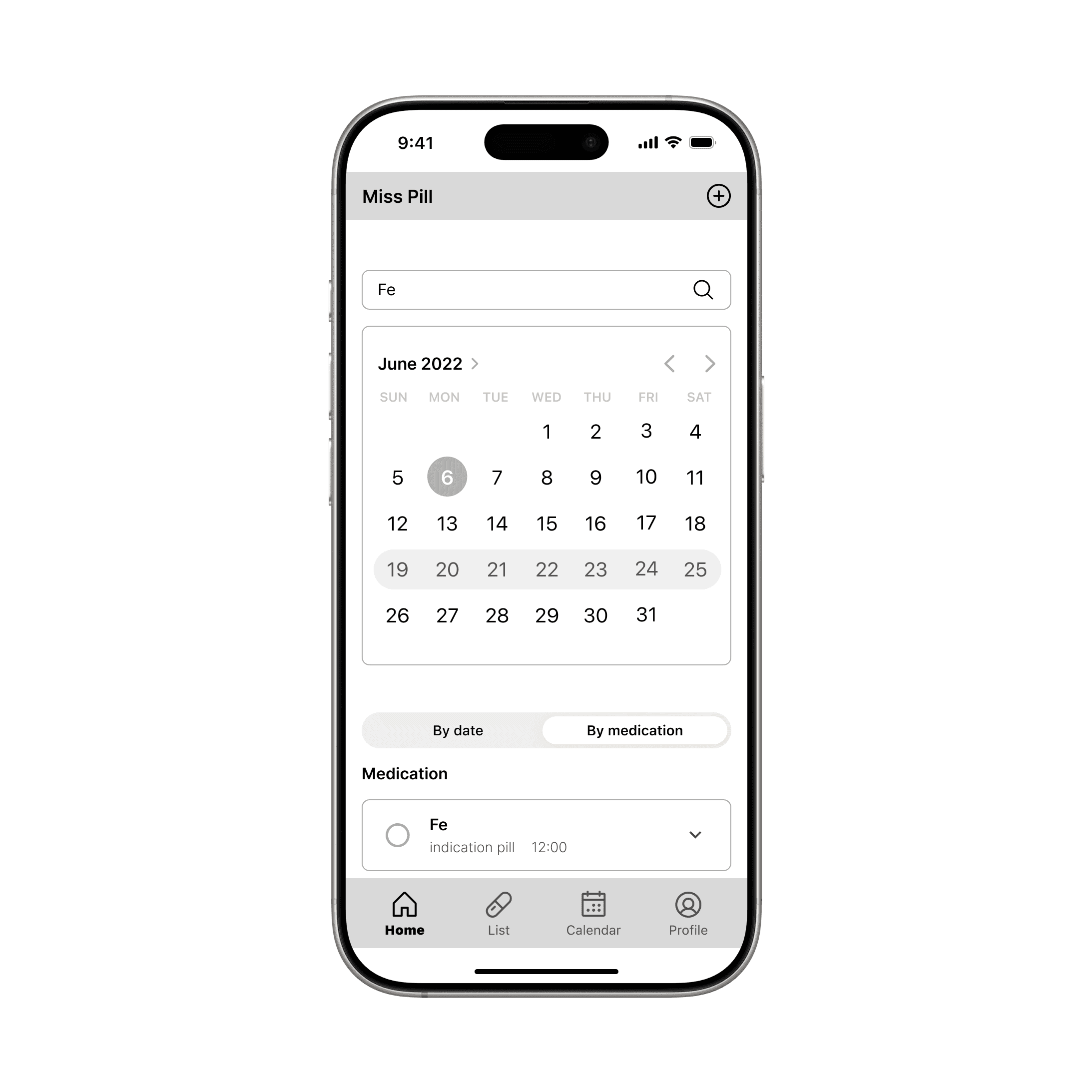
Allows prescriptions to be imported automatically, reducing manual errors and setup timeSmart reminders with snooze options
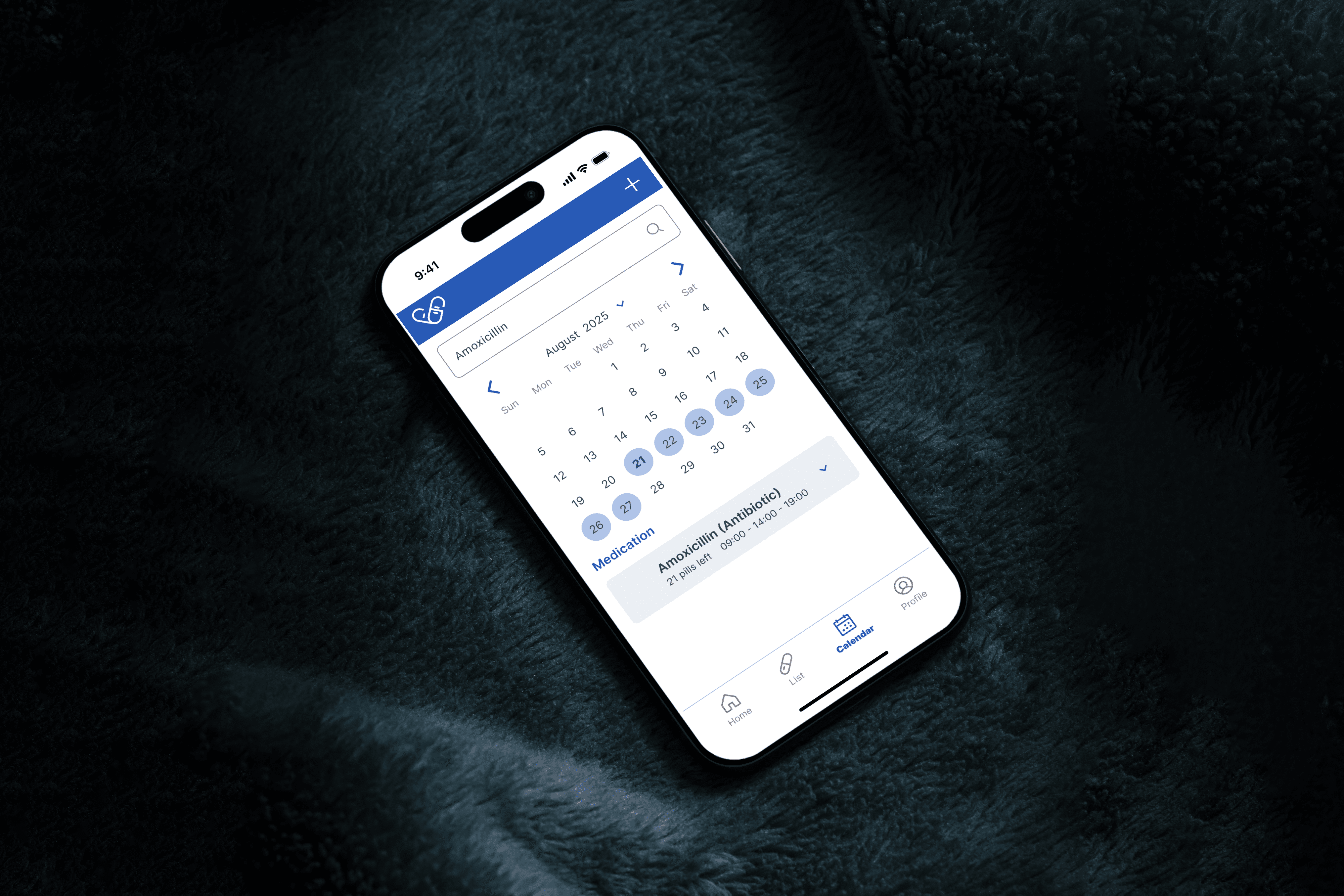
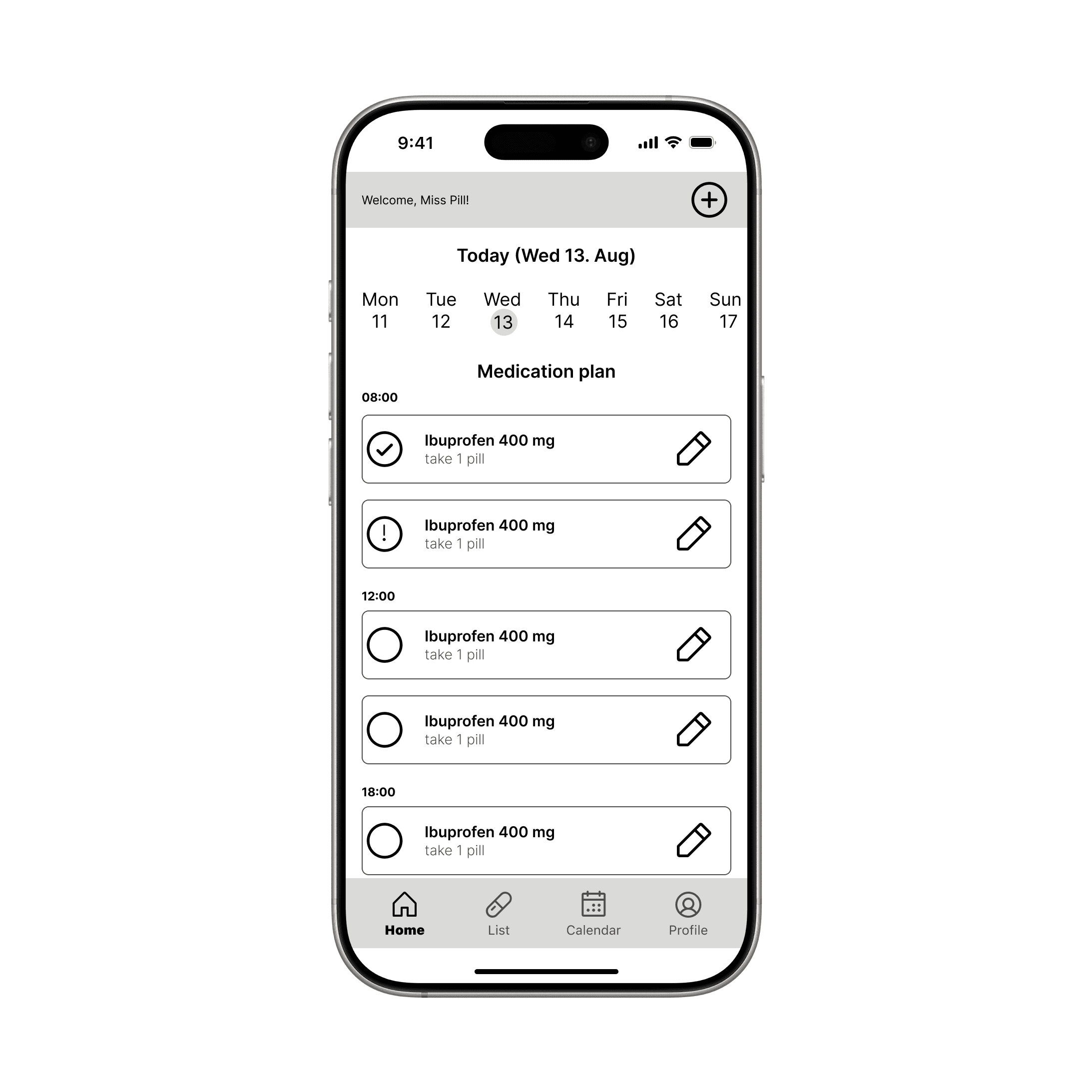
Designed to adapt to real-life interruptions rather than enforcing rigid schedulesMedication calendar
Provides a clear overview of treatments without overwhelming the userTreatment history and reports
Enables easy sharing with doctors, caregivers, or clinicsAccessible design principles
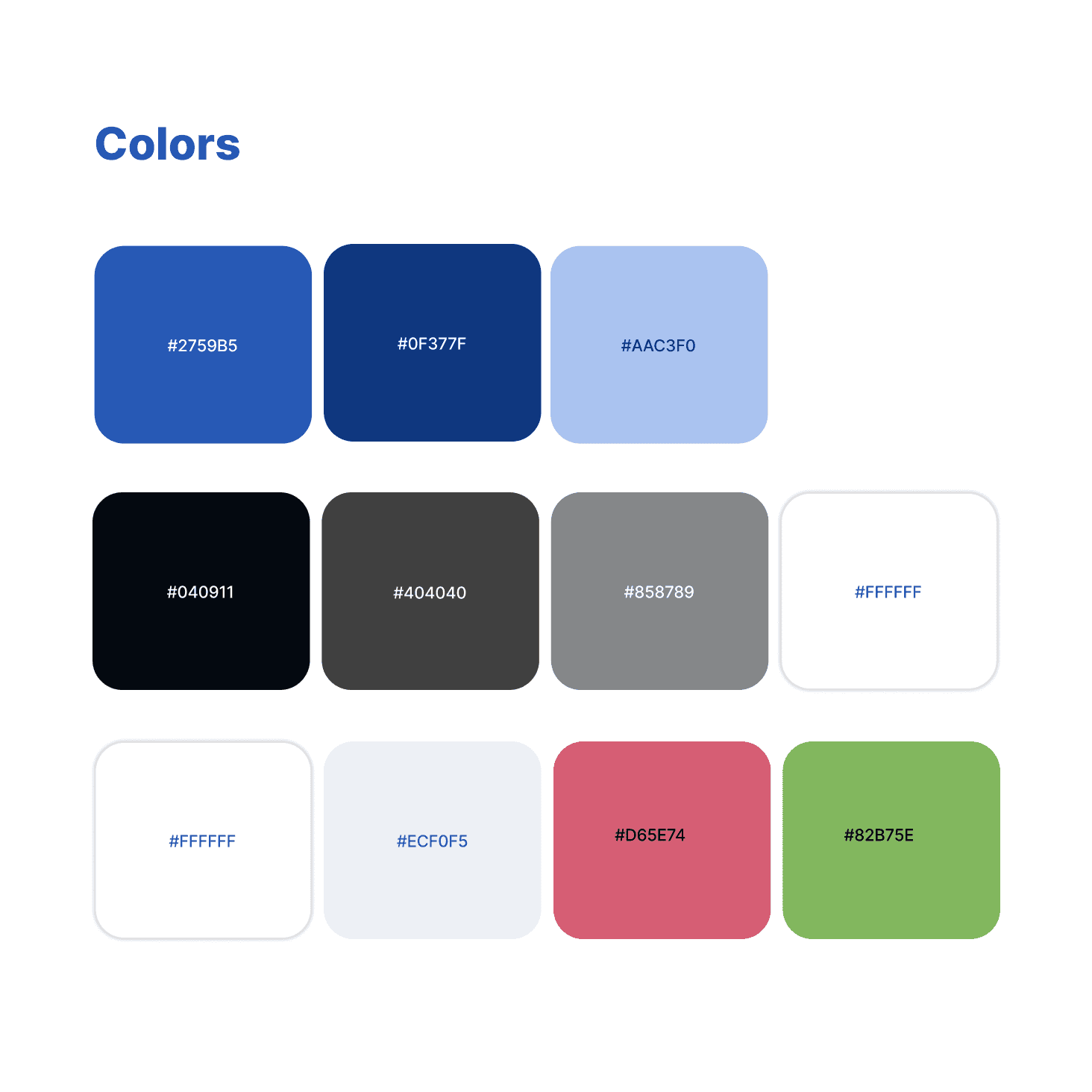
Voice support, high-contrast typography, and a calm blue color palette to reinforce trust and reduce anxiety
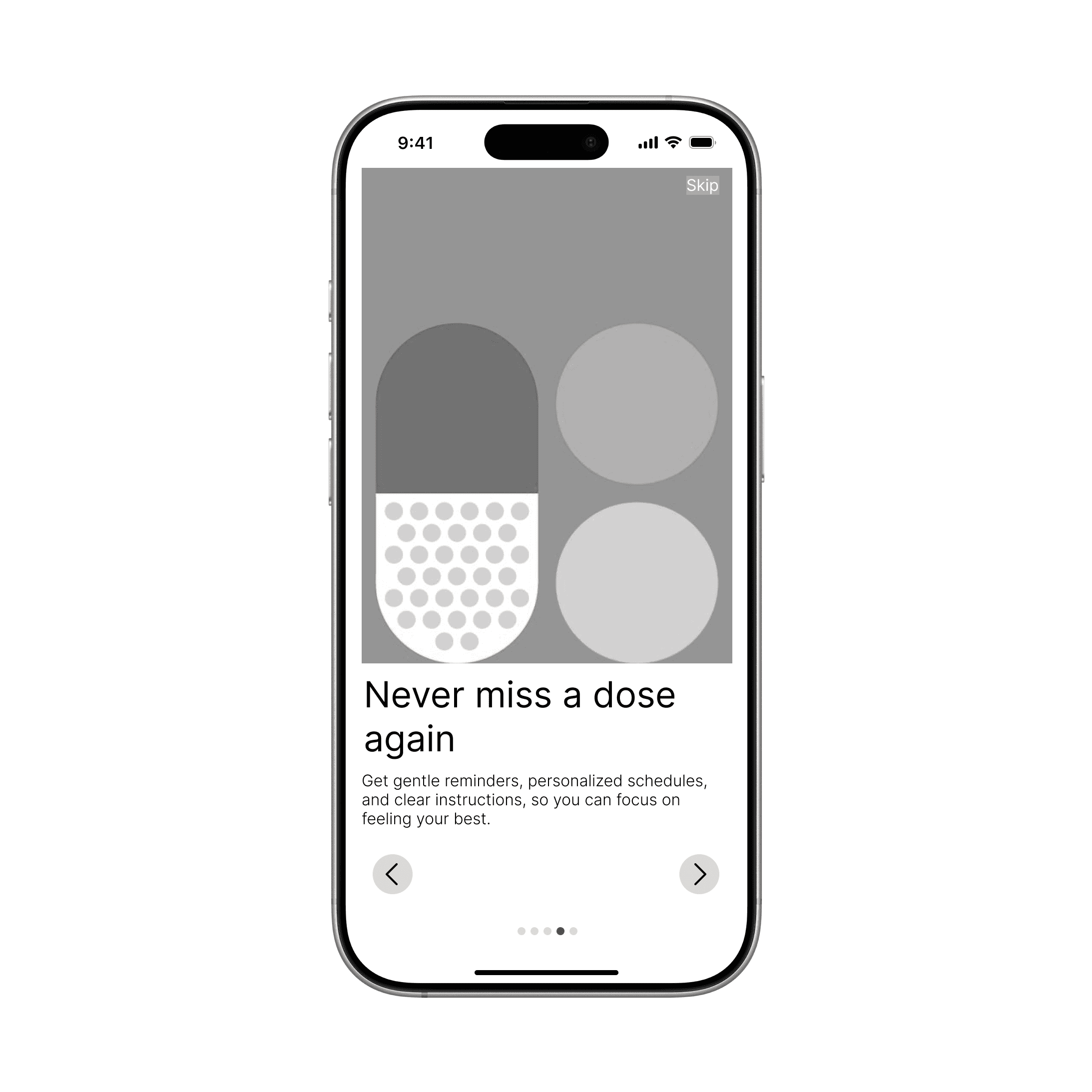
We deliberately limited visual complexity. Every design decision prioritized legibility, predictability, and reduced cognitive effort, especially for users managing multiple medications.
How We Built MedEase
Our workflow followed an agile, Kanban-style approach, allowing continuous iteration while maintaining structure:
Collaborative brainstorming and sketching using Crazy 8s
Defining sitemap and user flows
Building the UX Canvas and refining the problem statement
Iterating from low- to mid- to high-fidelity wireframes
Developing a component library and style tile early to ensure consistency
Finalizing a realistic prototype simulating real user interaction
This process helped us identify gaps early, especially around configuration complexity and accessibility.

Challenges That Shaped the Design
Working as a team surfaced several important challenges:
Feature prioritization
Different perspectives required alignment around the MVP to avoid scope creepUI consistency
Parallel screen design led to small inconsistencies, reinforcing the importance of shared components and guidelinesTime constraints
We had to balance depth and feasibility, focusing on core flows rather than exhaustive edge cases
These constraints ultimately strengthened the design by forcing clarity and focus.
Design Lessons From MedEase
This project reinforced several key principles:
Timeboxing decisions enables progress without sacrificing quality
Simplicity scales better than completeness, especially in healthcare contexts
Consistency is not a visual luxury but a usability requirement
Color with intention: Blue reinforced trust, calmness, and clarity
Accessibility must be intentional, not an afterthought
Reflection
MedEase demonstrated how thoughtful UX research and accessibility-focused design can transform a complex healthcare process into something reliable and human-centered. By grounding decisions in user needs, reducing cognitive load, and leveraging automation through NFC integration, we designed a solution that supports patients beyond reminders, helping them feel confident, safe, and in control of their treatment.